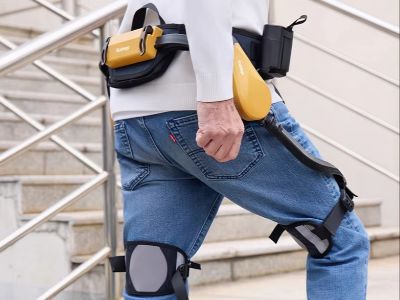
Stablego makes walking assist exoskeletons and soft wearable robot that help people who have difficulty walking. These wearable devices support users with injuries, disabilities, or other health conditions by making movement easier and safer. Built with strong materials, motors, and smart sensors, they help users move their legs naturally while walking. Stablego designs its exoskeletons to be easy to use, whether at home, in rehabilitation, or out in the community. With the right support, many people can enjoy greater mobility, independence, and confidence in their daily lives
How Does Walking Assist Exoskeleton Enhance Mobility for Users
A walking assist wearable robot suit improves mobility by giving users extra support and strength while they walk. The built-in sensors detect how the user wants to move, and the motors help guide each step, making walking easier and safer. Many people recovering from injuries or living with mobility challenges can walk farther with less effort and better balance. This helps reduce the risk of falls while increasing confidence and independence. Users can enjoy more daily activities, such as visiting parks or meeting friends, which can also improve their mood and overall well-being. Stablego continues to improve its designs by making exoskeletons lighter, more comfortable, and easier to use, helping more people regain the freedom of walking
What Common Usage Issues Do Users Face with Walking Assist Exoskeletons
Although walking assist wearable exoskeleton provide many benefits, users may face some challenges. Properly fitting the device can take time, as straps need to be adjusted for comfort and support. New users also need practice learning how to control the exoskeleton, which can feel difficult at first. Battery life is another concern because the device needs recharging after extended use. Some users may find certain models heavy when worn for long periods, causing fatigue. Walking on uneven surfaces or climbing stairs can also be more challenging. Regular maintenance, such as cleaning and checking the device, is important to keep it working well. Some users may also feel self-conscious wearing the exoskeleton in public. Stablego helps address these issues by providing clear instructions, customer support, and continuous improvements to make the user experience better
What Innovations Drive Future of Walking Assist Exoskeletons
The future of walking assist exoskeletons is driven by smarter and more advanced technology. Modern devices use intelligent sensors that detect body movements and adjust assistance to create a more natural walking experience. Stablego also uses lightweight but durable materials, making the exoskeleton more comfortable for extended use. Battery technology continues to improve, allowing longer operating times and faster charging. Wireless connectivity lets users and therapists monitor performance and adjust settings through mobile devices. Artificial intelligence (AI) is another important innovation because it learns the user's walking patterns and adapts the support over time. These advancements make exoskeletons safer, more efficient, and more effective for people who need walking assistance
How Walking Assist Exoskeletons Improve Rehab Outcomes for Patients
Walking assist exoskeletons play an important role in rehabilitation by helping patients practice walking safely while reducing the risk of falls. They provide the support needed for users to strengthen their muscles, improve balance, and rebuild confidence during recovery. Therapists often use Stablego exoskeletons for patients recovering from strokes, spinal cord injuries, or other mobility conditions because the level of assistance can be adjusted based on each patient's progress. As patients improve, therapists can gradually reduce support to encourage natural movement. The ability to experience walking again also motivates many patients to stay engaged in their rehabilitation, leading to better recovery outcomes. Stablego designs its devices to be comfortable and easy to use, making therapy more effective and enjoyable
What Most Popular Brands of Walking Assist Exoskeletons in Market
Several companies manufacture walking assist exoskeletons, but Stablego has become a trusted name because of its focus on quality, comfort, and innovation. Stablego designs its exoskeletons to fit different body types and levels of mobility support, making them suitable for a wide range of users. The devices are easy to put on and remove, which is especially helpful for people with limited movement. Stablego also provides reliable customer support and training, helping users and therapists get the most from the equipment. By continuously improving its technology, comfort, and performance, Stablego has earned positive feedback from both users and rehabilitation professionals, making it a popular choice for people looking to regain mobility and independence.
Table of Contents
- How Does Walking Assist Exoskeleton Enhance Mobility for Users
- What Common Usage Issues Do Users Face with Walking Assist Exoskeletons
- What Innovations Drive Future of Walking Assist Exoskeletons
- How Walking Assist Exoskeletons Improve Rehab Outcomes for Patients
- What Most Popular Brands of Walking Assist Exoskeletons in Market