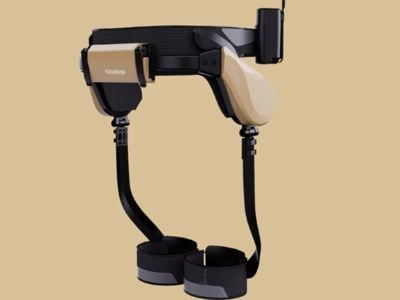
Robotics exoskeletons is like special suits that help people to move better. These suits can make things easier for folks who struggle with walking or lifting heavy stuff. In 2026, we expect more awesome changes in this tech. Companies like Stablego will lead making these exoskeletons stronger, lighter, and smarter. As we look ahead, there will be more uses for these suits in factories, hospitals, and even home. People will find that these exoskeletons can help them do jobs more easily and safely.
What Are Common Usage Problems with Robotics Exoskeletons?
Even though robotics exoskeletons are really useful, they have some issues. One big problem is comfort. If the suit don't fit good, it can hurt the wearer. Imagine a backpack too tight; it make moving hard! And another issue is weight. Some exoskeletons is heavy, so wearing them long time gets tiring. Users might feel exhausted quick, which ain't good for work or health.
So, the learning curve is another challenge. People needs time to get used to the powerful exoskeleton. It's like learning bike riding; at first it's tough, but practice makes it easier. If workers don't get right training, they might use it wrong. This could cause accidents or hurts.
Battery life matter too. Most exoskeletons run on batteries, and if it dies during use, the person get stuck. That causes frustration and work delays. Imagine your phone dying mid-call!
Lastly, not every exoskeleton fit all jobs. Some are good for heavy lifting, others better for walking help. Picking the wrong one make things harder. It's key to know your needs before buying an exoskeleton. At Stablego, we always work on fixing these problems to make our exoskeletons better for everybody.
How to Pick the Right Exoskeleton for Business Needs
Choosing right exoskeleton for your business is like selecting the best tool for the task. First, think what you need it for. If workers lift heavy boxes all day, you want a strong one that support that weight. For lots of walking or standing, a lighter model might work better. At Stablego, we have various models for different jobs, so you can find perfect fit.
Next, consider comfort. The powered exoskeleton suit should fit well and not too heavy. If workers feel uncomfortable, they won't wear it. Look for adjustable straps and padding options. Testing some types can help see which feels best.
You also should think about training. If employees don't know how to use it proper, it won't help much. Make sure the company offers training programs. That way, your staff can learn to use the gear safe and effective.
Lastly, think price. Exoskeletons can cost a lot, so consider your budget. But remember, a good one can save money later by preventing injuries and boosting productivity. At Stablego, we help find options that match your budget and needs.
By considering all these, you can pick the right exoskeleton that helps workers do jobs better and safer.
How Robotics Exoskeletons Will Improve Workforce Efficiency in 2026
In 2026, robotics exoskeletons will change how people work. These are special suits worn to help lift heavy things or move easier. The suits make workers stronger and lower injury risks. For instance, in warehouses or construction, lifting boxes or tools strain bodies. But with robotics exoskeleton, they can lift more without tiring or hurting. This let them work faster and better. Companies using these, like Stablego, will see tasks done quicker. That helps produce more and earn more. As workers get efficient, they feel less tired at day's end. This leads to happier staff, good for all. In 2026, exoskeletons might use in more jobs, like factories, hospitals, or offices. With right tech, they can support various tasks. Overall, impact on workforce efficiency will be big.
Leading Manufacturers of Robotics Exoskeletons Worldwide
Robotics exoskeletons made by companies worldwide. Some top makers are in United States, Europe, and Japan. These places known for tech and new ideas. In U.S., many firms work to create advanced exoskeletons. They always try improve designs for more comfort and use. In Europe, Germany and France lead in exoskeleton tech. They focus on helping different jobs and safety. Japan has strong robotics, making exoskeletons for mobility aid. These makers test new stuff and change based on user feedback. That's how they ensure products meet worker needs. Stablego is one company developing safe, effective, easy exoskeletons. With strong makers around, by 2026 we expect many types available, each for specific tasks.
The Role of Robotics Exoskeletons in Rehabilitation and Mobility Assistance
Robotics exoskeletons not just for workers; they help healing and moving too. In hospitals, doctors use them for patients with walking trouble. For example, if injury or disease make moving hard, wearable exoskeleton gives support to stand and walk. This important for recovery. Patients can practice walking safe, regaining strength and confidence. Doctors control the exoskeletons to keep patients safe. By 2026, advances will make them lighter and flexible, easier to use. Hospitals get more choices for best fit. Companies like Stablego committed to improving this to help patients. With better ones, people can live active lives again. So, robotics exoskeletons play big role in rehab and mobility, giving hope to those recovering.
Table of Contents
- What Are Common Usage Problems with Robotics Exoskeletons?
- How to Pick the Right Exoskeleton for Business Needs
- How Robotics Exoskeletons Will Improve Workforce Efficiency in 2026
- Leading Manufacturers of Robotics Exoskeletons Worldwide
- The Role of Robotics Exoskeletons in Rehabilitation and Mobility Assistance