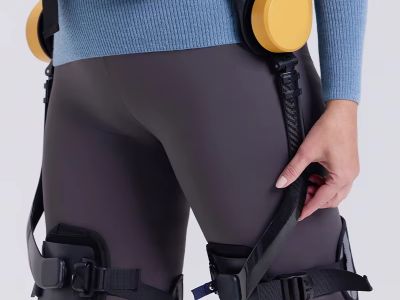
How Modern Bionic Exoskeletons Improve Mobility and Rehabilitation
Bionic exoskeletons are advanced wearable devices designed to help people move more easily and safely. These innovative systems function like robotic support structures that assist with walking, standing, lifting, and rehabilitation activities. As technology continues to evolve, modern exoskeletons are becoming increasingly effective in helping individuals regain mobility and independence after injuries, illnesses, or physical limitations.
Today’s exoskeleton robot technologies are used in healthcare, rehabilitation centers, industrial workplaces, and research facilities. By combining advanced sensors, intelligent software, and lightweight materials, these devices provide users with greater confidence and improved quality of life.
How Modern Bionic Exoskeletons Boost Mobility for People
Bionic exoskeletons can significantly improve mobility for individuals who have difficulty walking due to injury, neurological conditions, or age-related challenges. These devices use sensors and motors to detect the user’s intended movements and provide support accordingly.
For example, a person recovering from a spinal injury may use a powered exoskeleton to assist with standing and walking during rehabilitation. The system responds to movement patterns and helps guide the legs through a natural walking motion.
Modern exoskeletons are also designed with lightweight materials, making them more comfortable to wear for extended periods. Many models offer adjustable settings that allow users to customize walking speed, support levels, and movement assistance based on their individual needs.
Beyond rehabilitation, exoskeleton technology is increasingly used in industrial environments. Workers can wear supportive systems to reduce physical strain when lifting heavy objects, improving safety and reducing the risk of workplace injuries.
Where to Find Wholesale Bionic Exoskeleton Solutions for Businesses
Businesses interested in adopting exoskeleton technology should begin by identifying their specific requirements. Rehabilitation centers, hospitals, manufacturing facilities, and logistics companies often require different types of exoskeleton systems.
When evaluating suppliers, consider factors such as:
· Product reliability and safety certifications
· Technical support and training services
· Maintenance and warranty coverage
· Customization options
· Industry experience and reputation
Attending trade shows, industry conferences, and technology exhibitions can provide valuable opportunities to compare products and speak directly with manufacturers.
Wholesale purchasing options can also help organizations reduce costs when implementing exoskeleton solutions on a larger scale.
How to Choose the Right Bionic Exoskeleton for Rehabilitation and Assistance?
Selecting the right exoskeleton depends on the user's specific mobility goals and physical condition.
Several important factors should be considered:
Level of Support
Some systems are designed for individuals with significant mobility challenges, while others provide moderate assistance for daily activities.
Comfort and Fit
A properly fitted exoskeleton improves comfort, safety, and overall effectiveness. Adjustable straps and ergonomic designs can enhance long-term usability.
Ease of Operation
User-friendly controls and intuitive interfaces help ensure a smooth learning process for both patients and caregivers.
Budget and Funding Options
Exoskeleton systems represent a significant investment. Before purchasing, explore available insurance coverage, financing programs, or rehabilitation funding options.
Healthcare professionals can also provide guidance on selecting the most appropriate solution based on rehabilitation goals.
What Makes Modern Bionic Exoskeletons Stand Out in the Market?
Recent advancements have significantly improved the performance of modern exoskeleton systems.
One of the most important developments is the integration of intelligent sensors and adaptive control systems. These technologies allow the exoskeleton to respond more naturally to the user’s movements, creating a smoother and more comfortable experience.
Lightweight construction materials such as carbon fiber and advanced alloys have also improved. Compared to earlier designs, modern devices are more comfortable and less physically demanding.
Comfort-focused features, including padded support systems and ergonomic adjustments, enable users to wear exoskeletons for longer periods.
Many advanced models now include a specialized hip exoskeleton design that supports lower-body movement while reducing stress on joints and muscles. This makes them particularly valuable for rehabilitation and mobility assistance.
How Engineering Innovations Improve Exoskeleton Performance?
Engineering advancements continue to transform the capabilities of bionic exoskeletons.
Artificial intelligence and machine learning technologies allow systems to adapt to individual movement patterns over time. By analyzing user behavior, the device can provide more personalized assistance and improve rehabilitation outcomes.
Battery technology has also improved significantly. Modern exoskeletons offer longer operating times, allowing users to complete daily activities and therapy sessions without frequent recharging.
Mobile connectivity is another important innovation. Many systems can connect to smartphones, tablets, or monitoring platforms, allowing users and healthcare professionals to track progress, analyze performance data, and adjust rehabilitation programs.
As manufacturing processes become more efficient, exoskeleton technology is becoming increasingly accessible to a wider range of users and industries.
Final Thoughts
As technology continues to advance, exoskeleton systems will play an increasingly important role in improving independence, workplace safety, and rehabilitation outcomes for people around the world.
Table of Contents
- How Modern Bionic Exoskeletons Improve Mobility and Rehabilitation
- How Modern Bionic Exoskeletons Boost Mobility for People
- Where to Find Wholesale Bionic Exoskeleton Solutions for Businesses
- How to Choose the Right Bionic Exoskeleton for Rehabilitation and Assistance?
- What Makes Modern Bionic Exoskeletons Stand Out in the Market?
- How Engineering Innovations Improve Exoskeleton Performance?
- Final Thoughts