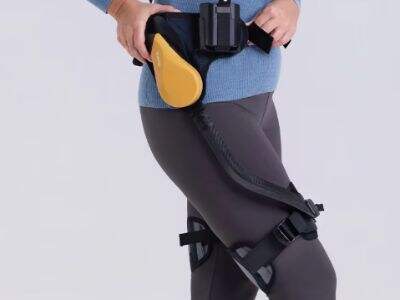
In the tech world, powered exoskeleton suits is getting more common. These suits help workers pick up heavy stuff and makes the work simpler. They also aim to boost safety and cut down on hurts. But one big thing to consider is how tough these suits really are. At Stablego, we know that lasting power is essential for keeping the suits going strong and performing good. A solid exoskeleton can manage hard tasks and keep the users safe. This piece will check out how toughness affects these real life powered exoskeleton, what helps them endure more, and why Stablego puts effort into making sturdy products.
The Impact of Toughness in Work Powered Exoskeleton Suits
Toughness is really key for powered exoskeleton suits. Workers wearing them often face rough spots. Like, building sites gets dusty and bumpy, and factories has big machines and pointy tools. If a suit aren't tough, it might break quick. That can cause mishaps or even get people hurt. Picture a worker lifting a big crate, and the exoskeleton just quits on them. That will be bad news! At Stablego, we get that a tough suit keeps workers protected. A strong one can take the strain and load of heavy things without giving out. So workers can handle their jobs better and with more trust. Plus, when a suit holds up longer, it saves firms cash over time. They don't need to replace them so much. It's not only about being hardy; it's how it lets folks work smoother too. When workers feel their exoskeleton can beat the tough spots at work, they stay more calm and on task. This brings better output and happier work feels.
What Helps a Powered Exoskeleton Suit Last More?
Some factors help make a powered exoskeleton suit endure longer. First off, the stuff used in the suit matters a lot. Good metals and smart plastics makes a real change. These are usually light, so the user moves free, but they got to be sturdy against damage too. At Stablego, we pick materials that handles everyday wear and bad weather. Another part is the suit's build. If it's made flexible, it won't snap as easy. Engineers try to make joints and links that shift smooth without too much pull. That stops damage building up. And regular care is big for lasting. Like cars need tune-ups, exoskeletons wants inspections and fixes. Firms should teach staff how to look after their suits. This mean cleaning right and spotting breaks early. At Stablego, we give tips and help so users keep theirs in prime form. Last, testing counts. Before selling, suits go through hard trials to check performance. It finds weak spots to fix. By eyeing materials, build, care, and tests, Stablego makes sure our powered exoskeleton suits is made to endure.
Toughness in powered exoskeleton suits isn't just an add-on; it's needed. At Stablego, we see that a solid suit can change a worker's day. With right materials, build, care, and tests, we make suits that let people work safe and quick. Our push for toughness means workers can count on their exoskeletons to do good, whatever the task.
Picking a Tough Exoskeleton for Work Uses
Choosing a tough powered exoskeleton for jobs can be tough choice. You want one that handles rough work without falling apart. Start by checking the materials in the exoskeleton. It should use strong stuff that fights off wear. For instance, metal bits from good steel or aluminum, and bendy parts from solid plastics. Stablego suits use these to last long.
Then, think on the build of the exoskeleton. A smart design lets it move with the worker easy and not limit them. If it's too bulky, it might wear faster because it stresses the parts. A good one stays light but strong for lifting heavy and hard jobs. Also, seek things like adjustable bands and soft pads. These cut down strain and make wearing comfy for hours.
In addition, see how simple it is to keep up the exoskeleton. One that's easy to wash and mend will go further. Check if pieces swap out simple when they go bad. Stablego ones has changeable parts, so you fix without getting a new suit whole. Finally, look at the maker's name. A firm like Stablego, known for tough powered exoskeleton, is smart pick. They got reviews showing real use.
Usual Problems with Exoskeleton Toughness and Fixes
Even top exoskeletons hits snags in hard work spots. One usual problem is wearing down. Daily use makes parts loosen up. Say, joints get wobbly or noisy. To beat this, workers do checks on their Stablego suits often. Look for damage signs and test if all works right. If it feels wrong, fix it soon as it can grow big.
So another snag is facing bad surroundings. Some works expose suits to dirt, wet, or chems. These hurt materials slow. To guard it, clean regular. Wipe with soft rag for dust and dry after water. Stablego suits resist some stuff, but care still key.
Comfort affects toughness too. If uncomfortable, workers might wear it wrong, stressing more. That's why adjust it for good fit. Take time to learn wearing right and tweak straps and pads. Stablego gives guides to help users wear comfy.
How Toughness Hits the Money Side of Powered Exoskeletons?
Toughness plays big in costs for using powered exoskeletons, like Stablego's. A tough suit lasts years many. So companies skip spending on new ones or fixes often. Long term, it saves cash, even with higher start price. It's like good boots. Cheap ones wear fast, you buy again soon. But spend more on lasting, they hold and save.
With this, productivity matters. Workers with reliable exoskeleton works quicker and better. If it fails or lags, it slows everything. That loses time and funds. A tough suit keeps them going smooth, good for business. Stablego builds theirs strong and useful, so tasks finish without stops.
Last, think on the help with the exoskeleton. A company with solid service, like Stablego, helps max out the suit. For issues or asks, support keeps it smooth. This exoskeleton robot adds to lasting by keeping shape good. So for money smarts, a tough exoskeleton saves, boosts work, and gives support to run well.